Victims of the 1960 Sharpeville massacre seek compensation from the state
Three claimants have sued the South African government seeking compensation for the police shooting of peaceful protesters in Sharpeville on 21 March 1960. During a demonstration against pass laws, officers fired on the crowd, leaving at least 91 dead and 238 wounded. Lawyers are challenging a July 1961 indemnity law, applied retrospectively after the massacre, as unconstitutional. The case, filed on Thursday, could lead to dozens more claims amid a broader wave of litigation over apartheid-era abuses.
What happened
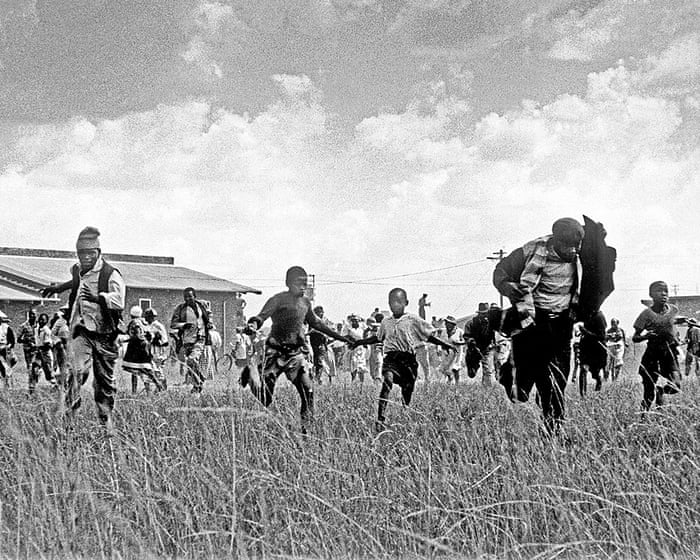
On 21 March 1960 residents of Sharpeville, about 40 miles south of Johannesburg in the industrial Vaal Triangle, gathered to protest pass laws that required “Black, Indian and Coloured” South Africans to carry documents indicating where they could be. The demonstrations in Sharpeville were among dozens organised nationwide by the Pan Africanist Congress, a breakaway from the African National Congress.
Participants who were present that day described a peaceful crowd outside the police station. Without warning, officers opened fire on the assembled people; at least 91 people were killed and 238 injured in what became known as the Sharpeville massacre. One marcher, then 20-year-old factory worker Abraham Mofokeng, fled after being grazed by a bullet that later was found lodged in his spine.
In the immediate aftermath police defended their actions and alleged that protesters had thrown stones at officers. Col J Pienaar, the local police commander, was quoted the next day saying he did not know how many had been shot and describing damage to his vehicle, framing the events as a response to hostile behaviour by demonstrators.
Why this is happening
The legal action filed “on Thursday” was launched by three claimants seeking compensation from the South African government for the Sharpeville shootings. The case is being advanced by Lawyers For Human Rights in South Africa with advisory support from UK law firm Leigh Day; Daniel Leader of Leigh Day said the claimants are seeking about 500,000 rand each (approximately £23,000).
A central legal issue is a law passed by the white-minority regime in July 1961 that indemnified the government and anyone acting under its authority for actions taken “in good faith” to prevent or suppress internal disorder, restore order, protect public safety or preserve life or property. That law was made effective retrospectively from the date of the massacre and remains in force; the claimants’ legal team argues it is unconstitutional.
The Sharpeville case sits amid a wider wave of litigation over apartheid-era crimes. In January 2025, 25 survivors and relatives sued the government for failing to prosecute cases referred by the Truth and Reconciliation Commission, and in May President Cyril Ramaphosa announced a judicial inquiry into possible political interference that is still ongoing.
How it will affect
If successful, the Sharpeville compensation claim could open the door to dozens more suits seeking redress for apartheid-era abuses. Beyond the immediate payouts sought by the test claimants, a favourable ruling could unsettle the legal protection provided by the 1961 indemnity law and enable other victims to pursue state compensation.
There is also a symbolic and restorative dimension: the case poses a direct challenge to whether retrospective indemnity can bar accountability for mass killings under apartheid. Lawyers and campaigners say reparations are not only about money but relate to losses of land, exclusion from the economy and the intergenerational effects on education and employment.
For individual claimants the stakes are concrete. Abraham Mofokeng, now 86 and still living in Sharpeville, says he continues to suffer health and financial problems; he previously received a one-off 30,000 rand payment after the TRC concluded in 2003, while the TRC had recommended annual reparations of about 20,000 rand for six years.
What next
Officials at South Africa’s justice department did not respond to a request for comment on the Sharpeville compensation case. The litigation and any appeals may take years to resolve, and the schedule will depend on how courts address the constitutional challenge to the 1961 law.
If courts strike down or limit the effect of the indemnity law, other groups of victims from the apartheid era may be encouraged to bring claims. If courts uphold the law, that could leave a significant legal barrier to state compensation for crimes committed under apartheid.
Outstanding questions include the scope of any reparations that would address long-term harms: community representatives emphasise that compensation discussions often encompass land dispossession, economic displacement and other losses that are not fully remedied by single cash payments. The outcome of the case will therefore have legal, financial and moral implications for how South Africa confronts this chapter of its past.
What we know
- On 21 March 1960 police fired on protesters in Sharpeville; at least 91 people were killed and 238 wounded.
- Three claimants have sued the South African government over compensation for Sharpeville; the case was filed "on Thursday."
- A July 1961 indemnity law, applied retrospectively from the date of the massacre, remains in force and is being challenged as unconstitutional.
- Claimants are seeking about 500,000 rand each (roughly £23,000), according to Leigh Day.
- Abraham Mofokeng, who was 20 in 1960 and is now 86, has a bullet lodged in his spine and previously received a one-off 30,000 rand payment after the TRC in 2003.
- The case comes amid broader litigation over apartheid: in January 2025, 25 victims and relatives sued over failures to prosecute TRC referrals, and in May President Cyril Ramaphosa announced a judicial inquiry into possible political interference.
What is being verified
- The newsroom is checking the report that on 21 March 1960 police fired on protesters in Sharpeville; at least 91 people were killed and 238 wounded.
- Reporting from The Guardian World is being compared; a second independent confirmation is not yet available.
View sources1
COMMUNITY
Discussion
Sign in to join the discussion.
No comments yet. Start the discussion.