Onimusha: Way of the Sword starts slow but rewards patience with one of the decade's best action combats
In a Play This Right Now write-up, reviewer Harvey finds Onimusha: Way of the Sword begins cautiously, introducing defensive tools at a deliberately slow pace, with an early focus on parrying. The game's opening can feel overly protective of the player, which may frustrate those fatigued by parry-focused design. Around the midpoint, the combat kit expands — including layered parries, a timed dodge, and the powerful Issen reversal — and the action becomes richly textured. Harvey recommends sticking with the game: once the systems click, rematches and encounters reward mastery and make the combat among the best in the genre.
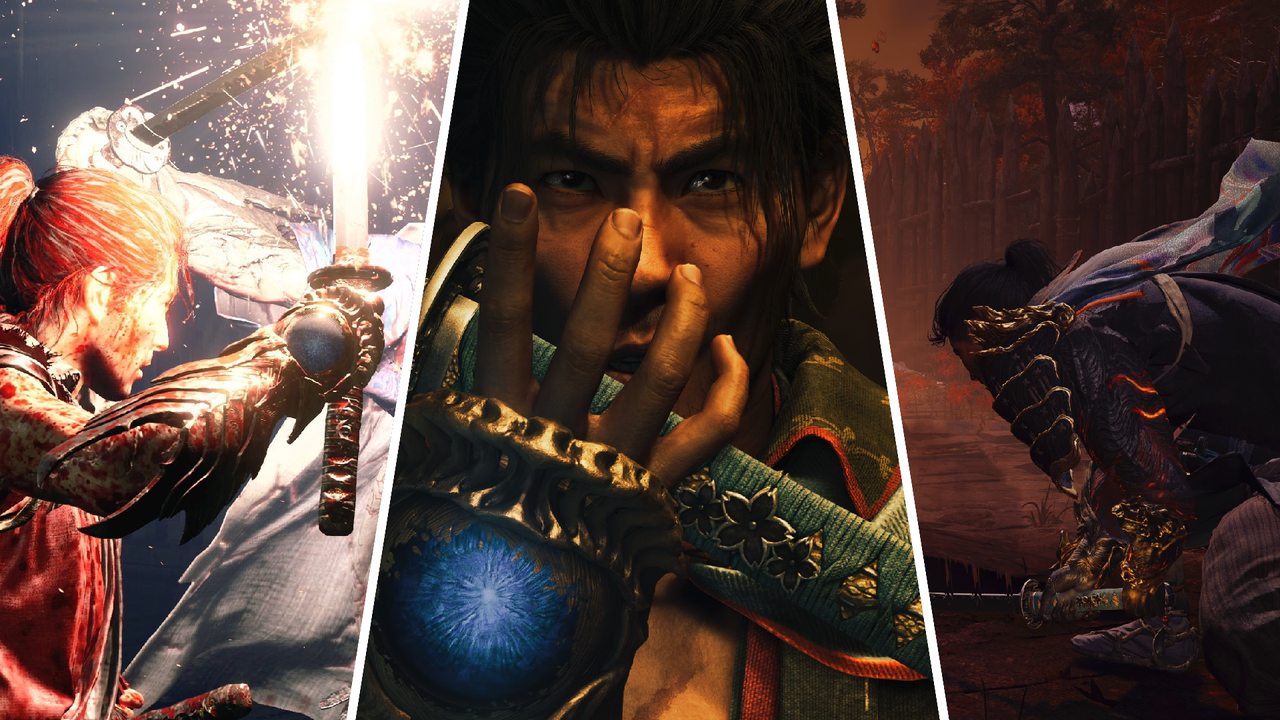
What happened
In a Play This Right Now piece, reviewer Harvey reports completing a roughly 30-something hour playthrough of Onimusha: Way of the Sword and finds that the game opens with a very cautious approach to combat. The first hours emphasize the most ubiquitous mechanic — the parry, introduced slowly and deliberately — giving the early sections a careful, tutorial-like feel. That measured opening can create the wrong impression about the game’s overall tempo and systems.
The article states that the game drip-feeds defensive options over time rather than presenting the full kit upfront, and that after the early stages the combat blossoms into what Harvey describes as “utter action game bliss.” While the title leans on parrying, the reviewer argues the system stands out because of additional, creative uses of that core mechanic rather than strict adherence to parry-as-king.
The write-up adds context about player fatigue with parry-focused systems, citing that “one in four action game players has experienced [parry fatigue] in the past five years alone,” which helps explain why the slow introduction might alienate some players. Despite this, Harvey urges readers to stick with the game because the payoff is substantial.
The piece also places Onimusha alongside other genre entries — Sekiro, Lies of P and Nine Sols — and positions its combat as one of the most textured and compelling among similar titles.
Why this is happening
According to the article, the deliberate pacing is a design choice: the game intentionally introduces mechanics gradually, choosing a drip-feed model rather than immediate access to the full defensive toolkit. The reviewer characterizes this approach as overly cautious, likening the game’s demeanor to protecting a deer that might suddenly bolt.
At the same time, the fundamental elements aren’t simplistic: parry timing is forgiving, and the game’s sound and feedback make successful interactions satisfying. The parry functions as a percussion-like foundation that later layers other “instruments” onto, creating a rhythm-game-in-disguise quality to combat.
The article does not quote developers or provide an official rationale from the studio, so while the pacing is described and critiqued, the source does not supply direct evidence of the developers’ intent. The assessment is therefore the reviewer’s interpretation based on play experience rather than a documented developer statement.
How this will affect things
The immediate effect of the opening’s pacing may be to deter some players in their first hours, particularly those already weary of parry-centric designs. However, Harvey notes that those who continue will find the combat rewarding: as Musashi’s kit unfolds, encounters grow richer and more varied, amplifying player agency and satisfaction.
Specific additions to the defensive set illustrate this shift. Beyond the basic parry, the game introduces a deflect (a more involved parry requiring you to hold the block button), a timed dodge that is more effective against unarmed attacks, and the Issen — a last-moment reversal that requires perfect timing and leaves the player briefly exposed. According to the review, Issen can one-shot most regular mooks, inflict heavy stagger and damage on tougher foes, and grants souls that charge a super state where Issen can be used more frequently.
Enemy behavior complements these options: opponents mix weapon and unarmed attacks, use grabs that force you to break rhythm, throw blade barrages that demand attention to which button you were mashing, and employ blade locks and random counter stances. The result is a combat loop that rarely allows the player to relax and constantly introduces new threat combinations to solve.
Repetitive boss and miniboss encounters, which might be a weakness, instead become opportunities to showcase growth: rematches allow players to apply newly acquired tools and knowledge about enemy patterns to dispatch foes more deftly, turning repeated fights into a kind of mastery test.
What happens next
Harvey’s recommendation is straightforward: give the game time. Despite a slow, hand-holding introduction, he argues Onimusha ultimately rewards investment and is worth persevering with, even for players skeptical of parry-heavy games.
The article does not provide wider commercial or critical context — there are no sales figures, platform lists or release dates mentioned, nor are there direct statements from the game's developers — so broader implications for the franchise, studio or market reception remain unaddressed. The conclusion is based on the reviewer’s play experience and comparisons to other action titles.
A short note on the reviewer: Harvey’s gaming history began with asking his parents for a World of Warcraft subscription at age 12, and his portfolio includes work for outlets such as Techradar, The Escapist, Dicebreaker, The Gamer and PC Gamer. That background provides context for his familiarity with the genre and the lens through which he evaluates Onimusha.
What we know
- Reviewer Harvey completed a roughly 30-something hour playthrough of Onimusha: Way of the Sword.
- The game introduces defensive mechanics very slowly, with the parry (timed block/deflect) presented first.
- The Issen is a last-moment reversal that, per the review, can one-shot most regular mooks and grants souls to charge a 'super state'.
- By around the midpoint the combat expands and rematches with bosses become stages to show mastery.
- The piece cites that one in four action game players has experienced parry fatigue in the past five years.
What is being verified
- The newsroom is checking the report that reviewer Harvey completed a roughly 30-something hour playthrough of Onimusha: Way of the Sword.
- Reporting from PC Gamer is being compared; a second independent confirmation is not yet available.
View sources1
COMMUNITY
Discussion
Sign in to join the discussion.
No comments yet. Start the discussion.