BoE may raise rates if high energy prices fuel inflation, Lombardelli warns
Bank of England deputy governor Clare Lombardelli said interest rates would probably need to rise if elevated energy prices kept inflationary pressures persistent. She said the size and duration of the energy shock remained materially uncertain.
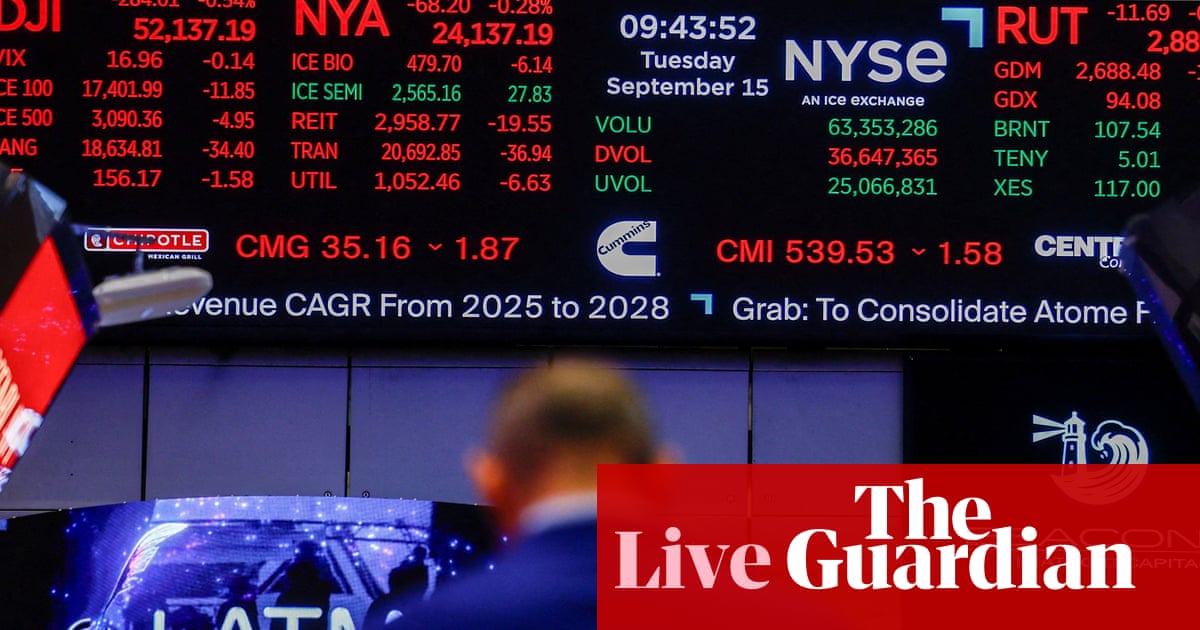
Image: theguardian.com · Author: Graeme Wearden,Lisa O’Carroll,Julia Kollewe,Phillip Inman · source articleEditorial excerpt for news reporting
Bank of England deputy governor Clare Lombardelli said the central bank may need to raise interest rates if high energy prices continue to sustain inflation in the United Kingdom.
Speaking on 24 September at a macroeconomic policy conference in Warsaw, Lombardelli said the energy shock linked to the conflict in the Middle East was likely to push UK inflation higher in the coming months. Businesses had proved more resilient to higher energy costs than the Bank expected, she said.
Risk of second-round inflation
Lombardelli warned that prolonged high and volatile energy prices increased the risk of wider pass-through into wages and domestic prices. She described the size and duration of the energy shock as materially uncertain.
She said tighter policy was becoming increasingly likely unless there was clear evidence of disinflation or weaker economic activity. However, she said the Bank would not respond mechanically to spot energy prices, with the outcome depending on how the shock interacted with the economy and fed into wages and prices.
Lombardelli was one of six Monetary Policy Committee members who voted last week to keep rates unchanged. Three members voted for an increase.
Bond yields rise with oil
As oil prices climbed, the yield on 30-year US Treasury bonds reached 5.4583%, its highest level in 22 years. The 10-year US yield also rose to its highest point since 2007.
Brent crude gained almost 4% to $107.13 a barrel. UK 10-year gilt yields rose to 5.385%, while 30-year yields increased by about seven basis points to 5.88%.
Breeden says conditions differ from 2022
Bank of England deputy governor Sarah Breeden said current divisions on the MPC involved a move of 0.25 percentage points up or down. She said that was not comparable with 2022, when the central bank faced a much larger challenge.
The FTSE 100 fell 25 points, or 0.24%, to close at 10,679.
What we know
- The Bank of England may raise rates if high energy prices keep inflation persistent.
- The US 30-year Treasury yield reached 5.4583%, its highest level in 22 years.
- Brent crude rose almost 4% to $107.13 a barrel.
- Six Bank of England policymakers voted last week to hold rates, while three backed an increase.
Trust: Single source
- The story relies on one publisher. A second independent confirmation has not been established from the cited sources.
- Cited links: 1. Publisher groups: 1. Sources: The Guardian Business.
- Monitoring in the past hour: 37 of 37 RSS sources; available: 37, unavailable: 0. Matching covers published stories from the past 7 days. This does not cover the entire web.
- Additional citations require matching headlines, context, event timing and accessible article text. This automatically finds related coverage; it does not establish independence or the truth of every claim.
View sources1
COMMUNITY
Discussion
Sign in to join the discussion.
No comments yet. Start the discussion.