Milt Windler, NASA flight director who helped save Apollo 13, dies at 94
Milt Windler, one of four Mission Control leaders during the effort to return Apollo 13’s astronauts safely to Earth, has died at 94. He also led flight-controller shifts for several lunar missions and all three crewed Skylab missions.
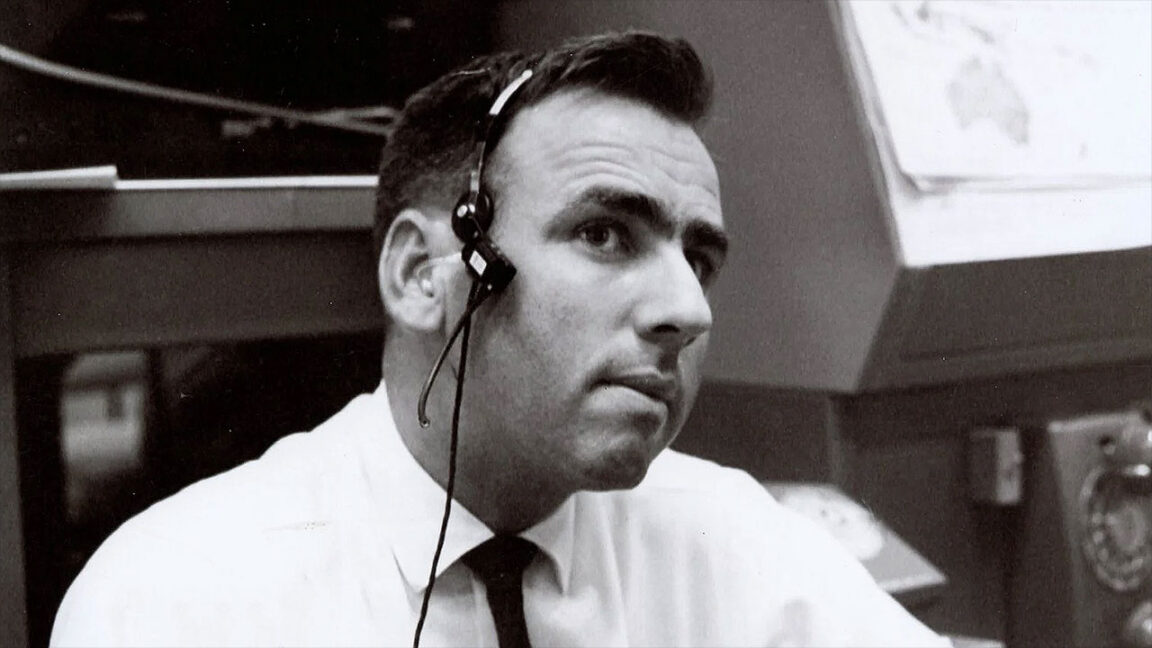
Image: arstechnica.com · Author: Robert Pearlman · source articleEditorial excerpt for news reporting
Milt Windler, a NASA flight director who coordinated the round-the-clock effort to return the Apollo 13 crew safely to Earth in 1970, has died at 94.
A brief notice posted online said Windler died on Thursday surrounded by his family.
Windler’s NASA career
NASA appointed Windler as a flight director in 1968 after he worked on recovery operations for the Mercury and Gemini programs. He led flight-controller shifts during Apollo 8’s first circumlunar flight and Apollo 10’s lunar-landing rehearsal.
Windler later led shifts for the Apollo 12, Apollo 14 and Apollo 15 landings—the second, third and fourth Moon landings. He also served as flight director for all three crewed missions to the United States’ first space station, Skylab.
“Maroon Flight” and Apollo 8
Windler was the seventh person appointed as a flight director and one of the first two selected from outside the flight-operations team. Flight directors chose names for their teams, and Windler’s became “Maroon Flight.”
On his first mission at the flight director’s console, Windler worked the third shift. During that shift, Apollo 8 carried out the trans-lunar injection burn that sent Frank Borman, Bill Anders and Jim Lovell toward the first mission to orbit people around the Moon.
What we know
- Milt Windler coordinated the effort to save the Apollo 13 crew in 1970.
- Windler died at age 94, according to an online notice.
- He led shifts for Apollo 8, Apollo 10, Apollo 12, Apollo 14 and Apollo 15.
- Windler served as flight director for all three crewed Skylab missions.
What is being verified
- The newsroom is checking the report that milt Windler coordinated the effort to save the Apollo 13 crew in 1970.
- Reporting from Ars Technica is being compared; a second independent confirmation is not yet available.
View sources1
COMMUNITY
Discussion
Sign in to join the discussion.
No comments yet. Start the discussion.