National Geographic Sets Seven-Part Documentary Series on Africa’s Wildlife
National Geographic is preparing the seven-episode documentary series “Africa: Earth’s Wild Home” about the continent’s wildlife and ecosystems. Production took four years across nearly 30 countries, with Wunmi Mosaku serving as narrator.
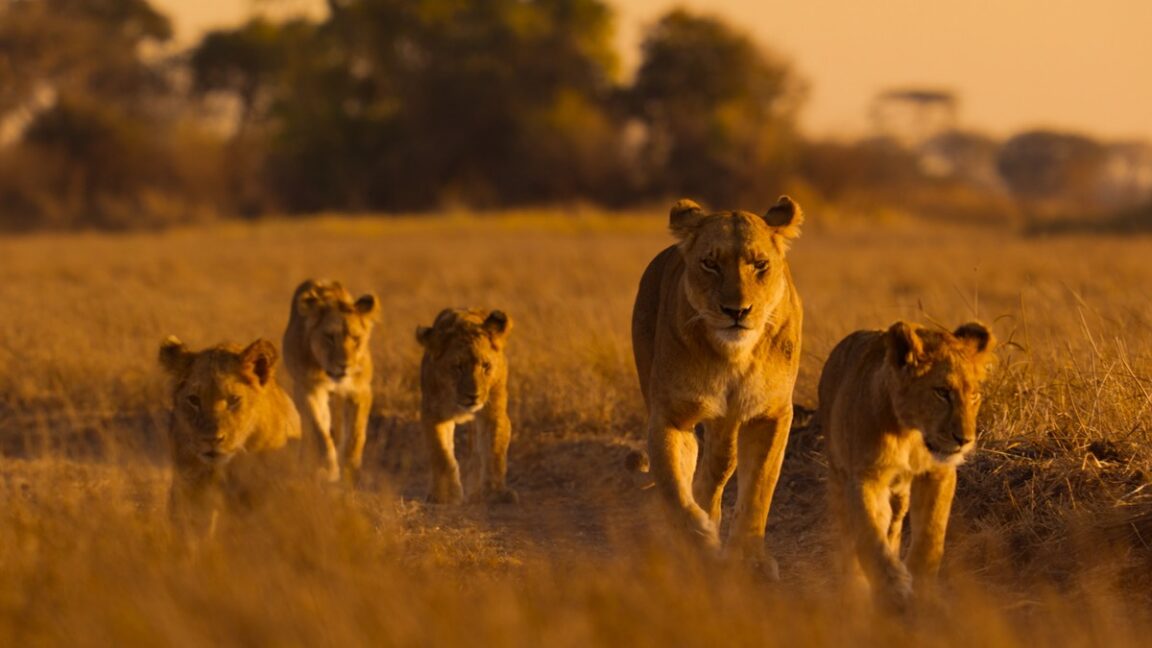
Image: arstechnica.com · Author: Jennifer Ouellette · source articleEditorial excerpt for news reporting
National Geographic is preparing “Africa: Earth’s Wild Home,” a seven-episode documentary series about Africa’s wildlife. The project is intended to launch a franchise covering the wildlife and environmental ecosystems of all seven continents.
Production lasted four years and took place across nearly 30 African countries. The episodes cover ecosystems ranging from jungles and deserts to plains, mountains and islands.
The animals featured include an African black panther, an orphaned baby pangolin and a green turtle that local people helped return to the water after she laid eggs on a remote island.
Ecosystems shape the series
Each episode focuses on a particular ecosystem. The final installment examines local conservation leaders and researchers working to preserve Africa’s biodiversity for future generations.
The episodes also spotlight the scientists, photographers and National Geographic explorers whose work made the production possible.
Wunmi Mosaku narrates
Actor Wunmi Mosaku provides the narration. She is known for “Sinners,” “Loki” and “Lovecraft Country,” and was born in Nigeria before being raised in England.
Mosaku said the project helped her reconnect with Africa. She also described being surprised by snow and by seeing monkeys living in snowy parts of the continent.
What we know
- National Geographic is preparing a seven-part documentary about Africa’s wildlife.
- Production lasted four years across nearly 30 countries.
- The episodes cover jungles, deserts, plains, mountains and islands.
- Actor Wunmi Mosaku is the series narrator.
Trust: Single source
- The story relies on one publisher. A second independent confirmation has not been established from the cited sources.
- Cited links: 1. Publisher groups: 1. Sources: Ars Technica.
- This describes the available source evidence, not a probability of truth or a claim of manual editorial review.
View sources1
COMMUNITY
Discussion
Sign in to join the discussion.
No comments yet. Start the discussion.