Dwarf Fortress co‑creator Tarn Adams says he first grasped the game's reach at PAX around 2013–14
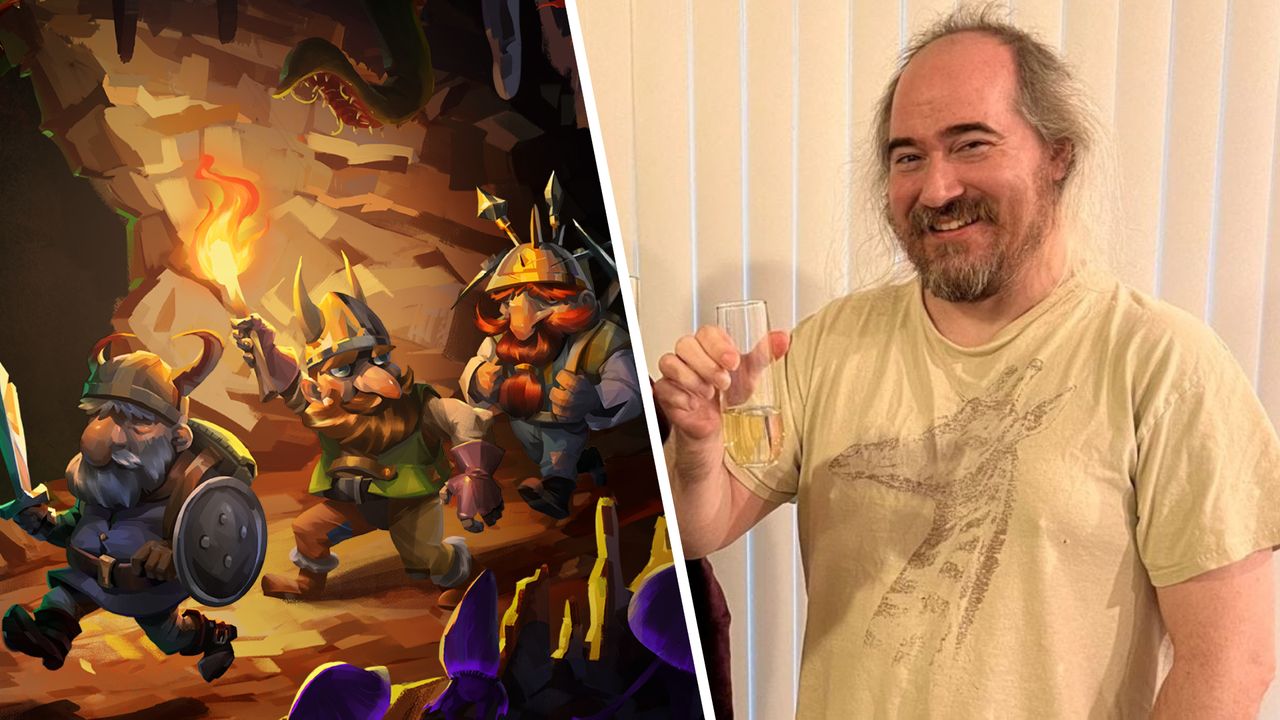
At Gamescom 2026, Dwarf Fortress co‑creator Tarn Adams told PC Gamer's Joshua Wolens that he only realised the extent of his game's notoriety when he attended PAX in Seattle around 2013–14. He recalled an indie mega booth where, among roughly 50–60 titles, he estimated about 90% of developers had heard of Dwarf Fortress and reacted with an impressed, fan‑like response. Adams also said that from the game's 2006 release until about 2013 he rarely met other game developers and considered himself not very social then. He added that, were it possible to travel back in time without altering the timeline, he'd encourage his younger self to promote the game more and meet more people.
What happened
At Gamescom 2026, Dwarf Fortress co‑creator Tarn Adams spoke with PC Gamer's Joshua Wolens and recounted a formative moment when he realised how widely known his game had become. He described attending PAX in Seattle around 2013–14 and visiting an indie mega booth where he estimated there were roughly 50–60 titles on display. Adams said that about 90% of the developers present had heard of Dwarf Fortress and reacted with an impressed, fan‑like response when they met him.
That encounter marked the first time Adams felt the game’s reach extend beyond its immediate community of players. He said the reaction was striking to him because, until then, he had not recognised the extent of awareness among other developers and industry peers. The anecdote served as a personal milestone in his understanding of the game's prominence.
Adams also reflected on his personal reaction to the attention, acknowledging that while he aims to have good moral qualities, he is susceptible to flattery and vanity. He described enjoying the recognition even as he noted it revealed something about his own character.
Why this happened
Adams explained that from the game's release in 2006 until roughly 2013 he rarely met other game developers. He said that, except for perhaps one or two people at Dwarf Fortress–specific meetups, he had little interaction with peers in the industry. This limited exposure helps explain why the strong recognition at PAX in 2013–14 surprised him.
He characterised himself in those years as “not a very social person,” and he described Dwarf Fortress for a long time as a form of “outsider art.” Those personal and cultural factors likely contributed to slower or more circumscribed professional visibility early on. The interview does not, however, provide a detailed timeline of how Dwarf Fortress’s reputation grew in broader circles.
While Adams attributes his surprise to limited networking and social tendencies, the interview does not identify specific events, campaigns, or turning points that led to wider recognition. The account is a subjective recollection of a moment when he perceived that awareness among fellow developers had become substantial.
How this will affect
The immediate effect for Adams was an increased awareness of the game's influence among peers and a personal response to that attention. He described the experience as enjoyable and admitted to being influenced by compliments, which may have shaped his later perspective on outreach and promotion.
Adams stated that if he could go back in time without the risk of disrupting the timeline, he would encourage his younger self to be more confident in promoting Dwarf Fortress and to meet more people. That reflection indicates he sees professional networking and earlier evangelism as potential accelerants of wider recognition.
However, the interview does not offer concrete evidence about how such different choices would have materially altered the project's commercial success or creative trajectory. Adams’s remarks remain personal reflections rather than claims supported by detailed data or counterfactual analysis.
What next
Adams said he would not actually travel back in time because he does not want to “disrupt the timeline,” but he allowed the hypothetical that, absent that risk, he would push his earlier self toward greater outreach. This sums up the retrospective lesson he drew from the PAX encounter in 2013–14.
PC Gamer's interview does not include announcements about future plans for Dwarf Fortress or specific strategic changes tied to these reflections. There are no stated next steps in terms of promotional strategy or event appearances arising directly from the conversation.
In short, the primary outcome communicated in the interview is a personal reassessment by Adams: recognition that greater confidence and earlier networking might have spread awareness sooner, coupled with a clear statement that he has no wish to alter history and no immediate public plans stemming from this particular recollection.
What we know
- Tarn Adams spoke to PC Gamer's Joshua Wolens at Gamescom 2026 about a formative PAX experience.
- He recalled an indie mega booth at PAX in Seattle around 2013–14 with roughly 50–60 games on display (his estimate).
- Adams estimated about 90% of developers at that booth had heard of Dwarf Fortress and reacted with an impressed, fan‑like response.
- He said that from Dwarf Fortress's 2006 release until around 2013 he rarely met other game developers, aside from perhaps one or two people at Dwarf Fortress–specific meetups.
- Adams described himself then as not very social and called Dwarf Fortress long perceived as 'outsider art'; he also admitted to being susceptible to flattery and vanity.
- He said that if he could return to the past without disrupting the timeline, he would encourage his younger self to promote the game more and meet more people.
What is being verified
- The newsroom is checking the report that tarn Adams spoke to PC Gamer's Joshua Wolens at Gamescom 2026 about a formative PAX experience.
- Reporting from PC Gamer is being compared; a second independent confirmation is not yet available.
View sources1
COMMUNITY
Discussion
Sign in to join the discussion.
No comments yet. Start the discussion.